-
How Are Tires Made?
View more -

How to Drive Safely
How to practice safe driving: Michelin tires are built with your safety in mind, but emergencies can happen. Learn how to drive safely and handle situations that arise.View more -

Tire Safety: How to Maintain, Inspect, and Care for Your Tires
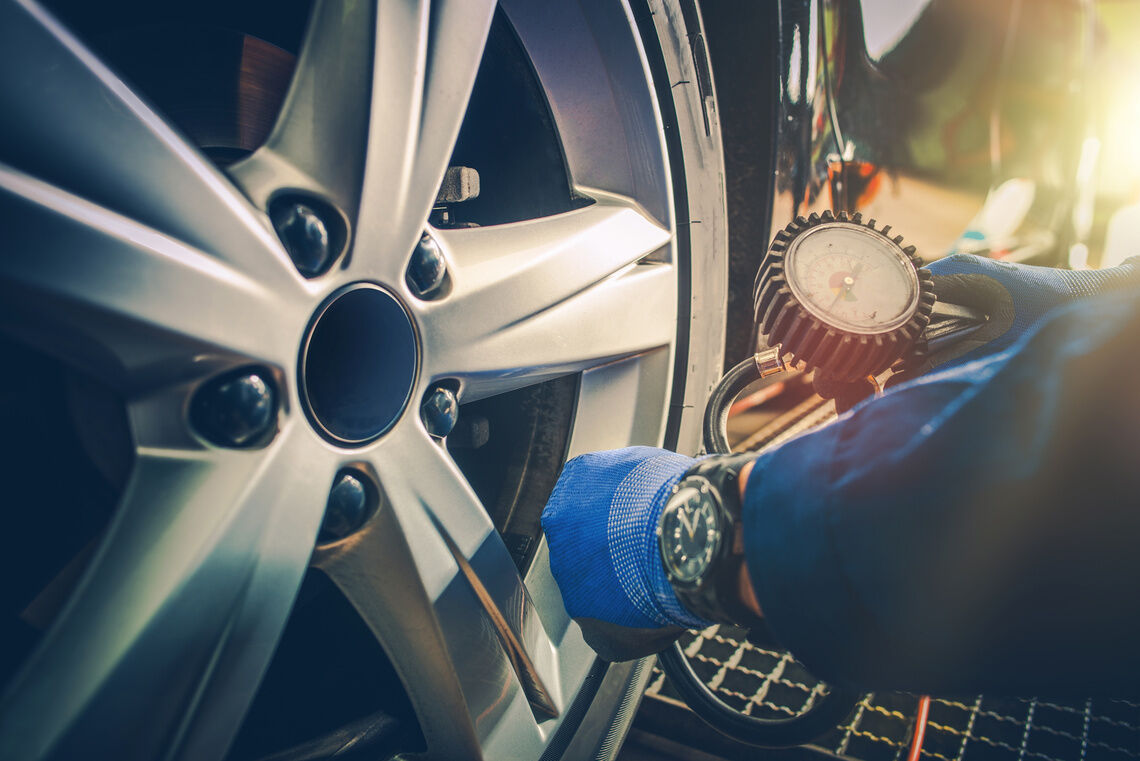
Your car's safety depends on your tires, which must be properly maintained in order for them to perform as intended. Treadwear, load limitations, inflation pressure, and installation are some of the variables that might affect the longevity and reliability of tires. By following specified safety rules and doing routine maintenance, drivers can reduce their risk of tire issues and be prepared for the road ahead.View more -

What are Performance Tire Characteristics?
View more -

Run-Flat Tires: How They Work, Benefits, and Proper Care
After a tire loses air pressure, run-flat tires are designed to help drivers keep control and continue driving for a limited distance. By reducing the need for quick roadside tire changes, this added mobility enhances convenience and safety.
Like all tires, run-flat tires require proper maintenance, inspection, and servicing to perform as intended. Understanding how run-flat tires work and how they should be cared for helps drivers make informed decisions and protect long-term tire performance.View more -

Driving on a Spare Tire
What are the basics ?View more -
Understanding Tire Load Rating and Speed Rating
Standardized tire markings define a tire’s load rating and speed rating, two critical indicators of safe tire performance. When properly inflated and loaded, these ratings identify the maximum weight a tire can carry and the maximum speed it can safely sustain. Understanding and respecting these ratings when replacing tires helps ensure your vehicle continues to operate as intended.View more -
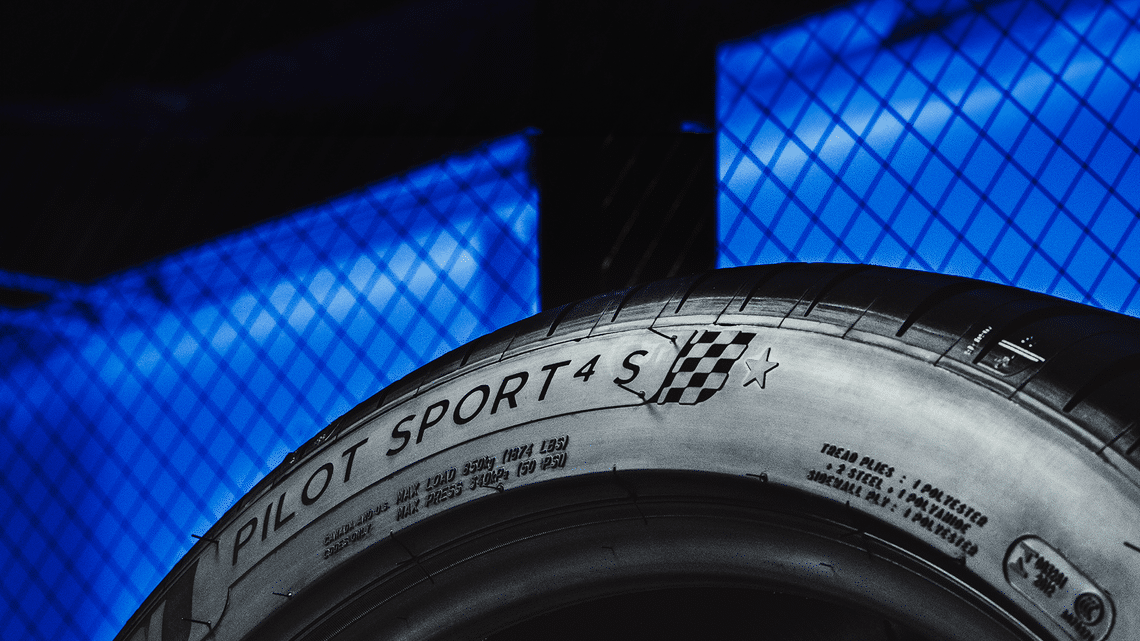
Tire Markings Explained: How to Read a Tire
A tire size is represented by a sequence of numbers and letters that describe the tire’s dimensions and construction. Additional letters may also appear to indicate the intended application or load capacity.View more -
Tire tread depth and legal limit
A tire is designed to meet performance requirements. But beyond a certain level of wear, it needs to be changed. What is the role of the tread? Up to what level of wear does the tire remain effective? And what is the legal minimum tread depth for changing your tires? Find out the answers to all your questions.View more
Related topics


FAQ
Read our Frequently Asked Questions.
Tires 101 is Michelin's educational resource covering everything drivers need to know about tires — from how they're made to how to read the sidewall markings. It's built for everyday drivers who want to make smarter, safer tire decisions without needing an automotive background. Whether you're buying tires for the first time or just want to know what that string of numbers on your current tires actually means, start here.
Tire life depends on driving habits, load, inflation, and road conditions, so there's no universal mileage number. Most tires should be inspected closely after five years and replaced by ten years regardless of tread appearance. On a day-to-day basis, check your tread depth regularly and replace tires when they reach 2/32 inch (1.6 mm) — the legal minimum in the US.
For best performance and safety, yes. Michelin recommends mounting four identical tires — same brand, model, load index, and speed rating. Mismatched tires can create handling imbalances, especially during emergency maneuvers. If you're replacing fewer than four, put the new tires on the rear axle to help maintain vehicle stability.
Check the sticker on the inside of your driver's side door jamb. It lists your vehicle manufacturer's recommended tire size and correct inflation pressure. You'll see a code like 225/65R17. Your owner's manual has the same information. You can also use Michelin's tire finder tool on this site by entering your vehicle year, make, and model.
All-season tires (marked M+S) work well in mild climates but are not certified for severe snow — their rubber stiffens in cold temperatures. All-weather tires carry the Three-Peak Mountain Snowflake (3PMSF) symbol and are a year-round option for climates with genuine winters, since their compound stays pliable in the cold. Winter tires (also 3PMSF-rated) are purpose-built for ice, packed snow, and sustained temperatures below 45°F — they deliver the best cold-weather performance but should be swapped out when spring arrives.
No. Mixing tire types across axles creates unpredictable handling. Putting winter tires only on the front drive wheels of a front-wheel-drive car is a common mistake — the rear end loses traction during braking, which can cause oversteer and loss of control. Winter tires should always be installed as a full set of four.