-

How to Buy Michelin Tires Online
It's never been simpler to purchase Michelin tires online. Online buying gives you access to the entire Michelin lineup, from all-season comfort to winter safety and high-performance driving, whether you're replacing worn tires or upgrading for improved performance. You can schedule installation, read professional reviews, and compare models from the comfort of your home with reliable partners like Tire Rack.View more -

When to Replace Tires
There is no single rule that determines how long a tire will last. Tire lifespan depends on a combination of factors, including tire design, driving habits, climate, road conditions, and how well the tires are maintained.
Rather than relying on mileage alone, Michelin recommends regular inspections and paying attention to both visible signs and changes in performance that may indicate a tire needs to be replaced.View more -

How To Choose Tires
What should you think about when choosing a tire?View more -
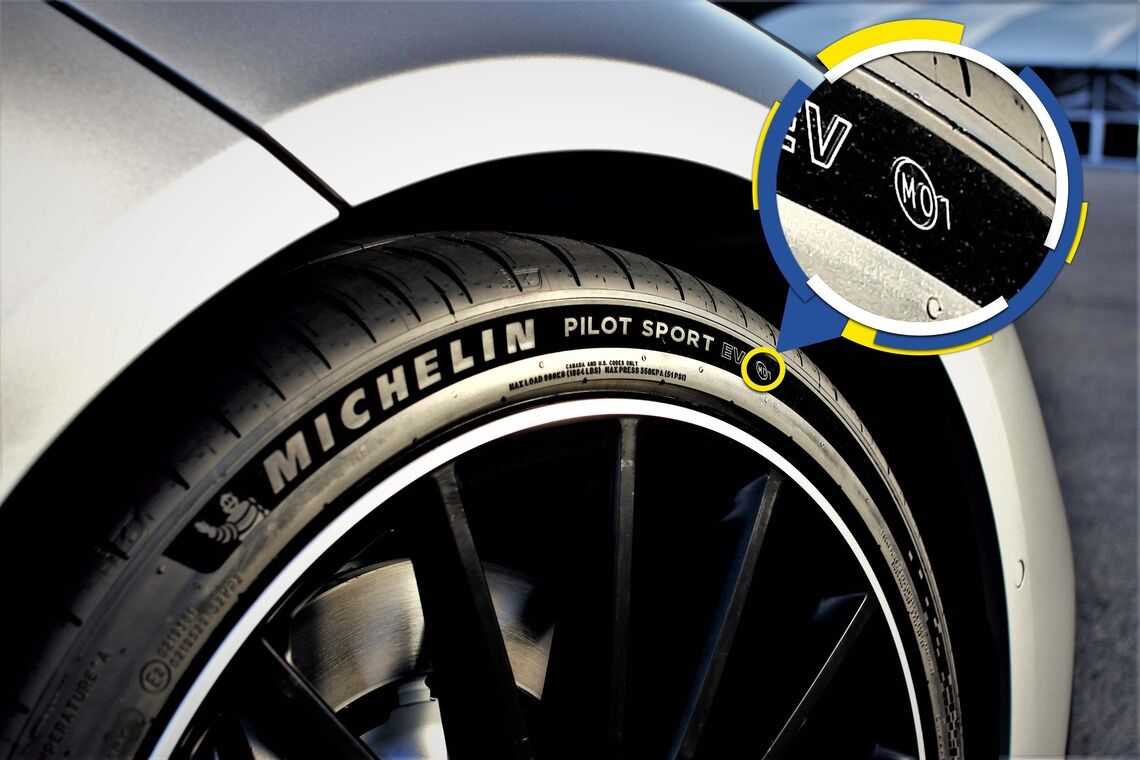
Michelin-Developed Marked Tires
Michelin believes that close collaboration with vehicle manufacturers is essential when developing high-performance tires. Every vehicle has unique characteristics that influence how a tire should perform, including weight distribution, power output, chassis design, and suspension tuning.
Michelin-developed marked tires are engineered to match these vehicle-specific requirements. Designed and approved jointly by Michelin and the automaker, these tires are tuned to help ensure the tire performs as intended on the vehicle for which it was developed.View more -

Preparing for Your Visit to the Tire Dealer
Easily prepare for your visit to the dealer with Michelin's guide. Be sure to ask your tire dealer these 5 questions to ensure you get everything you need.View more -
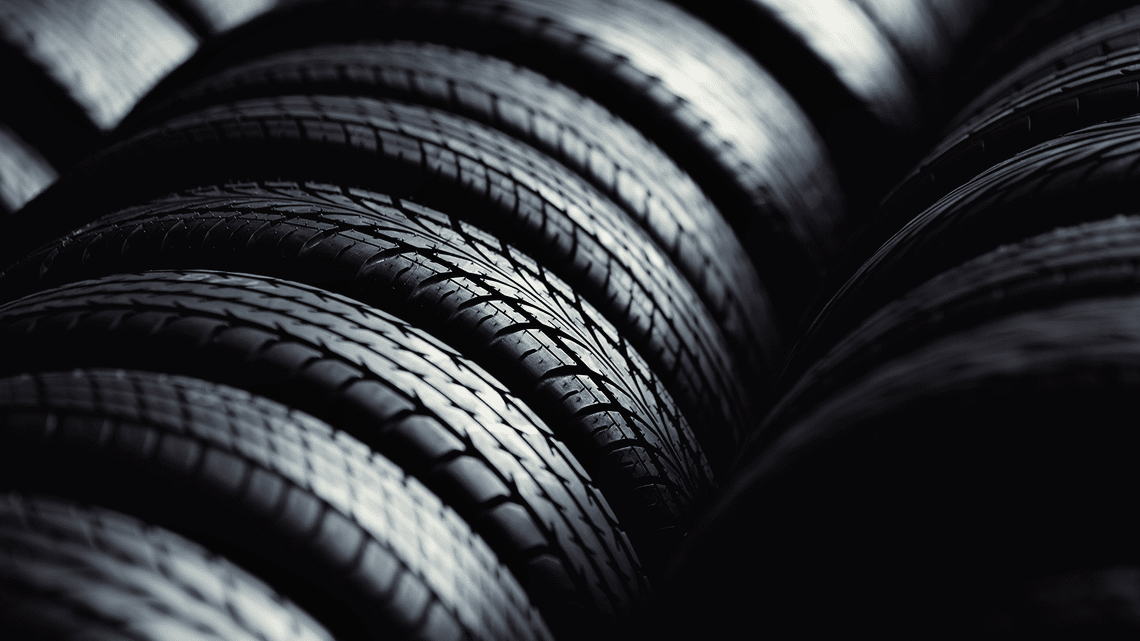
What to Know Before Mixing Car Tires
Maintaining your car in the configuration set by the manufacturer is the safest approach for tire replacement. This means following the tire specifications outlined on your car's placard, in the owner's manual, and in any OE (original equipment) technical bulletins. This is essential, as these documents take into consideration how the car was built to manage load, steering, braking, and stability, especially when replacing just one or two tires.View more -

Choosing the Right Tire Size for Your Vehicle
Selecting the correct tire size is essential for proper fitment, performance, and safety. Tire size information is defined by standardized tire markings and can be found on the tire sidewall, in your vehicle owner’s manual, or on the vehicle tire information placard. Knowing where to locate this information and how to interpret it helps ensure replacement tires meet your vehicle manufacturer’s specifications.View more -
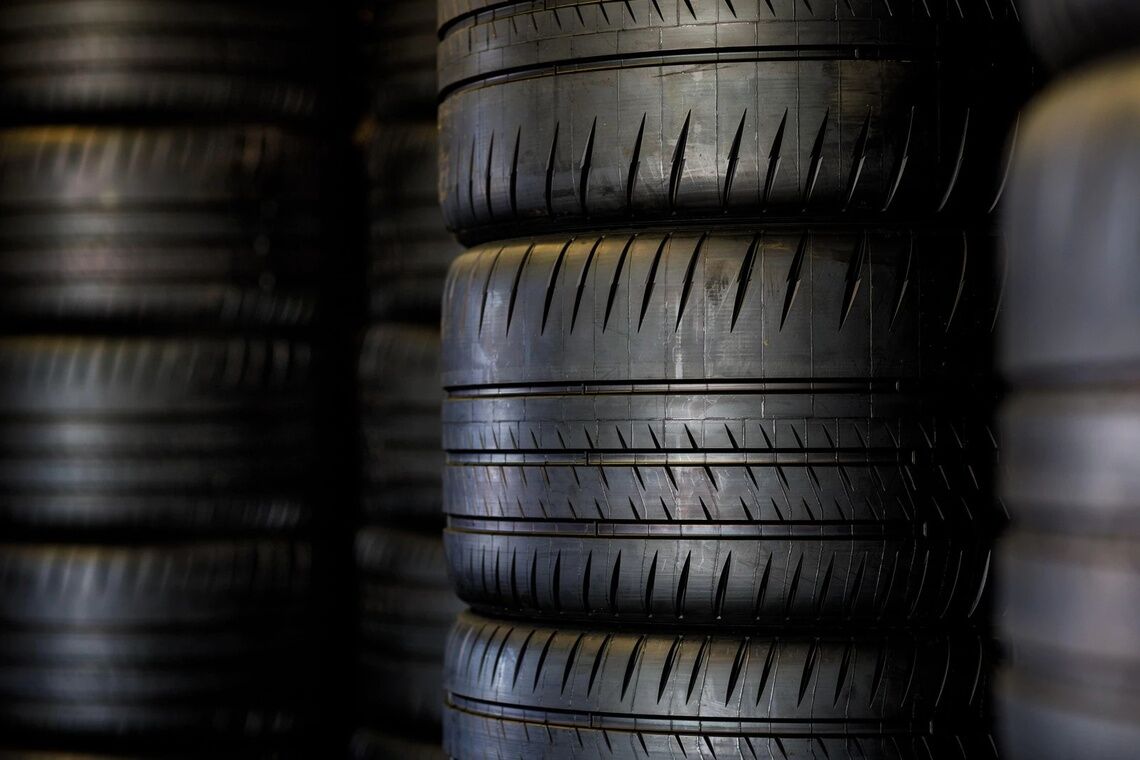
How to compare tires?
On what basis should you compare tires to select the one that will give you complete satisfaction? This article is about the main performance criteria to consider, the decision aids you can use and Michelin's best advice. We will discuss how to select the one you need within the same tire line and provide you with decision aids, such as independent tire tests, labelling and tire comparison sites. Finally, we will discuss another important criterion: long-term performance.View more -
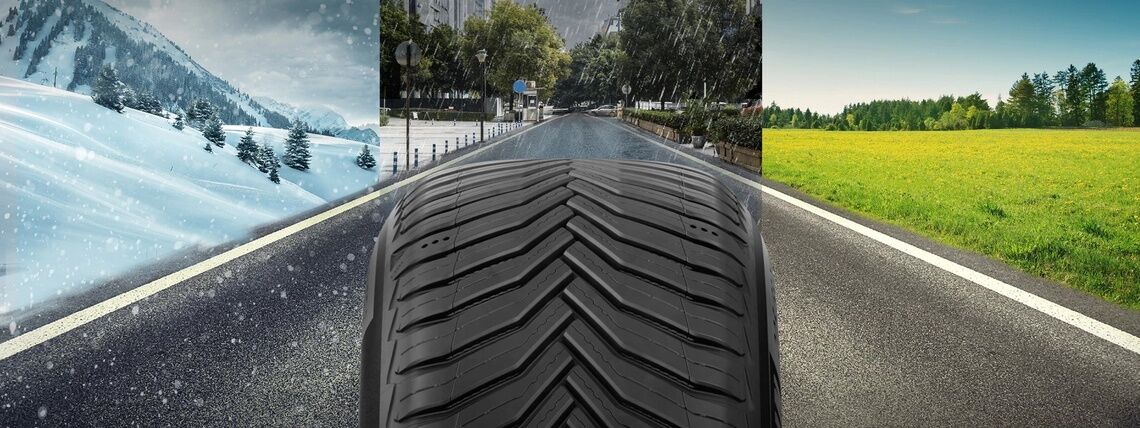
Differences in Types of Seasonal Tires
All-season / Summer / Winter tires: what is the difference?View more -

Winter Tire Buying Guide
Whether you are a first-time car owner, new to winter driving, or simply looking to make the safest choice for your vehicle, this guide covers everything you need to know about buying winter tires. From understanding the difference between winter, all-season, and summer tires to recognizing important tire symbols and studded options, here is how to stay safe through the coldest months of the year.View more -
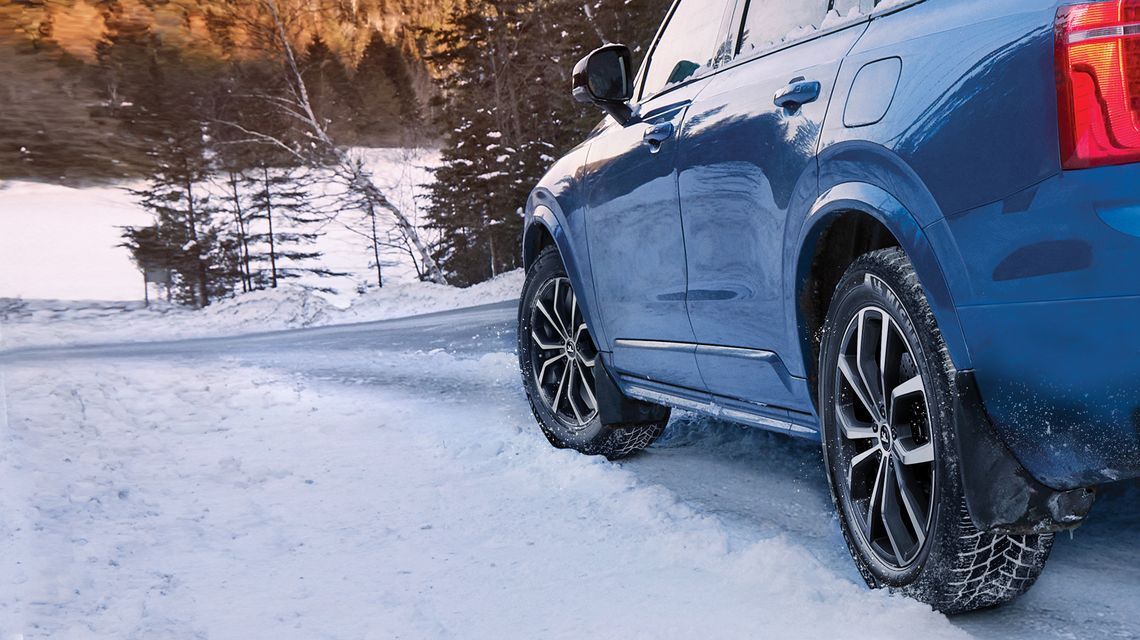
Winter Tires vs. Snow Tires Explained
When temperatures drop, driving safely depends on more than just good reflexes. Many people use the terms winter tires and snow tires interchangeably, but there is a key difference. Understanding how these tires perform in different cold-weather conditions can help you stay safer and more in control this winter.View more -
Summer vs. Winter vs. All-Season Tires
Choosing the right tire depends on where you live, the time of year, and how you use your vehicle. Each tire type, summer, all-season, or winter, has unique strengths and limitations. Knowing when to switch helps you stay safe and maintain peak performance throughout the year.View more -

Find the Right Michelin Tire Based on Your Driving Profile
Ever wondered what type of driver you really are?
Every driver has a unique relationship with their vehicle. For some, it’s a peaceful sanctuary. For others, it’s a trusted companion for adventure—or a performance machine built for excitement.View more -
Changing sizes or specs
View more -
Do I need new tires?
View more
Related topics


FAQ
Read our Frequently Asked Questions.
Start with three things: your tire size, your climate, and how you use the vehicle. The size is on the driver's side door jamb sticker. The climate determines whether you need seasonal tires or a year-round option. How you use the vehicle — daily commuting, highway travel, towing, spirited driving — shapes which performance priorities matter most. From there, Michelin's Tire Buying Guide walks through each decision in order, so you're not guessing at a shop counter.
Replacing all four at the same time is the safest approach and the one Michelin recommends. All four tires sharing the same model, size, and wear level gives the vehicle consistent handling and braking across all conditions. If budget requires replacing just two, fit the newer tires on the rear axle — rear traction loss is harder to control than front. Never replace just one tire unless it closely matches the remaining three in tread depth and specifications.
Four things cover most of what a dealer will ask:
Your tire size — from the door jamb sticker, owner's manual, or the sidewall of your current tires
Your vehicle year, make, model, and trim — some models have fitment variations
Any OE markings on your current tires, such as MO, AO, or T0 — relevant if your vehicle specifies them
A sense of your priorities — tread life, ride comfort, wet grip, fuel economy, winter capability
Both are legitimate options. Buying online often gives access to a wider selection and makes price comparison straightforward, but the tires still need to be mounted and balanced at a shop. Many tire retailers allow you to purchase tires online and have them shipped directly to a local installer. Buying in-store has the advantage of seeing the product and talking through options with a technician who can check your vehicle's current condition at the same time.
Selecting tires — if you know your size and priorities — takes very little time using a tool like Michelin's tire finder. Installation at a tire shop includes mounting, balancing, and a pressure check on all four tires plus the spare. If an alignment check is done at the same visit, add time for that. Booking an appointment rather than walking in reduces wait times considerably.
It tends to, in the areas that matter most to safety. Premium tires are generally tested more extensively for wet braking, hydroplaning resistance, and handling consistency. They also tend to sustain performance more evenly as the tread wears, rather than declining sharply from the midpoint. Independent tire tests published by automotive organizations regularly show measurable differences in stopping distances and wet-weather grip between tire tiers. The relevance of those differences depends on the conditions you actually drive in.